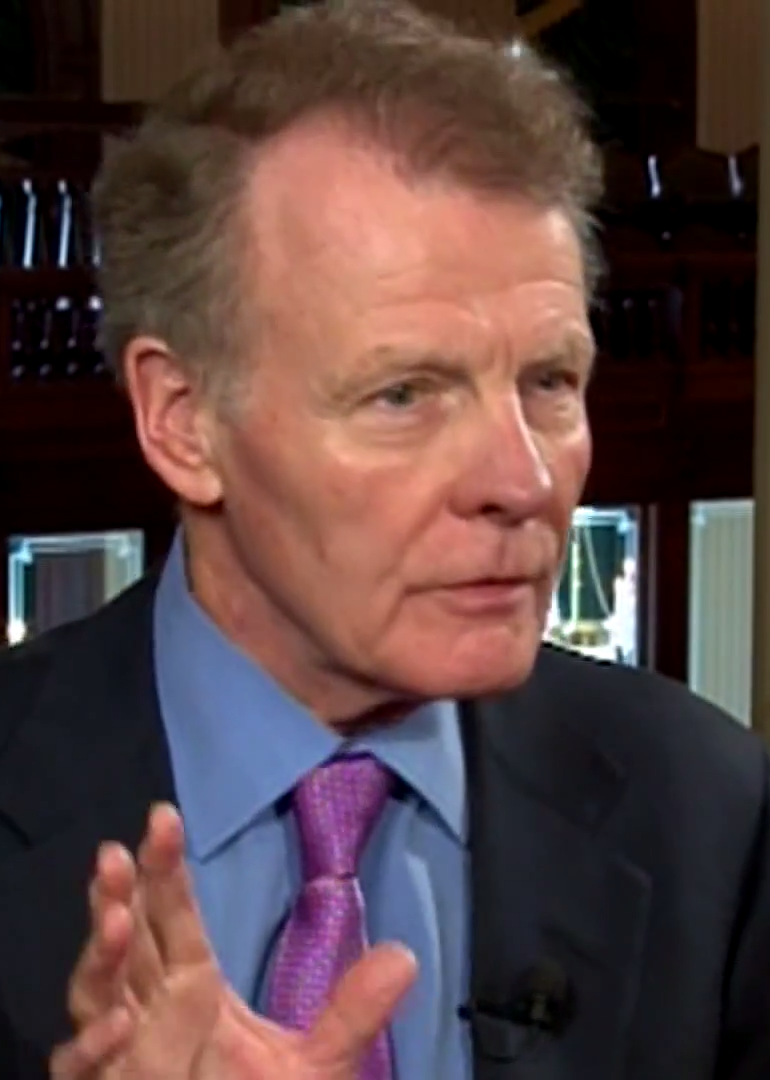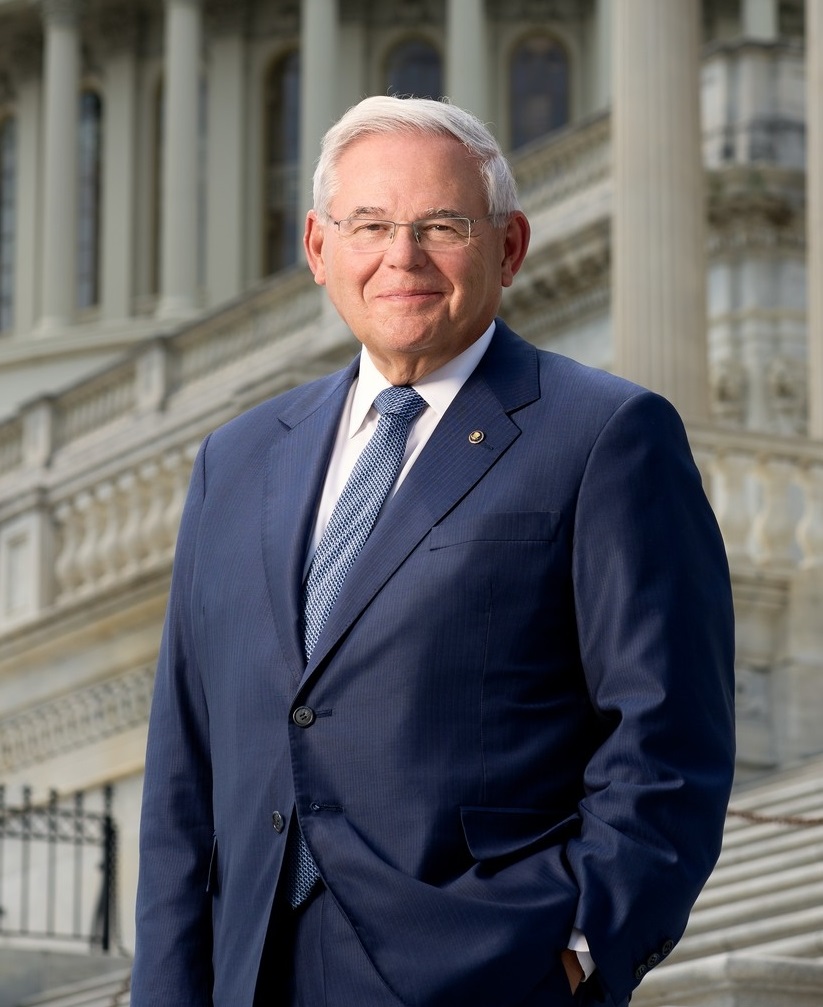
Senator Robert Menendez, the New Jersey Democrat who once chaired the Senate Foreign Relations Committee, was sentenced on 29 January 2025 to 11 years in federal prison for an array of corruption offences including bribery, extortion under color of official right, acting as a foreign agent for Egypt, and obstruction of justice.
US District Judge Sidney Stein, in the Southern District of New York, imposed the sentence after a July 2024 jury verdict found Menendez guilty on all 16 counts of a superseding indictment. The conviction made Menendez the first sitting US senator ever found guilty of acting on behalf of a foreign government.
Gold bars and a Mercedes
Prosecutors had walked jurors through a years-long pattern in which Menendez and his wife Nadine accepted gold bars, cash, mortgage payments, and a Mercedes-Benz C-300 convertible from three New Jersey businessmen in return for the senator using his Foreign Relations Committee perch to benefit the governments of Egypt and Qatar and to interfere in federal prosecutions of two of the businessmen’s associates.
FBI search-warrant photographs of nearly half a million dollars in cash stuffed into jackets bearing the senator’s name became the visual hook of the trial.
A senator’s second prosecution
This was the second time Menendez had been prosecuted on corruption charges. A 2017 trial on a separate set of allegations involving Florida ophthalmologist Salomon Melgen ended in a hung jury, and the government opted not to retry the case. Menendez resumed his Senate career and rose to chair Foreign Relations.
He resigned from the Senate in August 2024, weeks after the verdict, when it became clear he would lose committee assignments and face an expulsion vote. Judge Stein imposed a $20,000 fine and forfeiture of the gold bars, cash, vehicle and home equity tied to the scheme.
Egypt connection
The foreign-agent counts hinged on prosecutors’ argument that Menendez had ghostwritten letters on behalf of the Egyptian government, helped negotiate around US restrictions on military aid to Cairo, and arranged meetings between Egyptian intelligence officials and his then-fiancée. Defence lawyers maintained the senator was acting in his constitutional capacity as a foreign-policy maker; the jury rejected that framing.
Two co-defendants, real-estate developer Fred Daibes and businessman Wael Hana, were sentenced to seven and eight years respectively. A third, Jose Uribe, pleaded guilty and cooperated with prosecutors. Nadine Menendez, severed from the main trial owing to a cancer diagnosis, faced her own trial later in 2025.