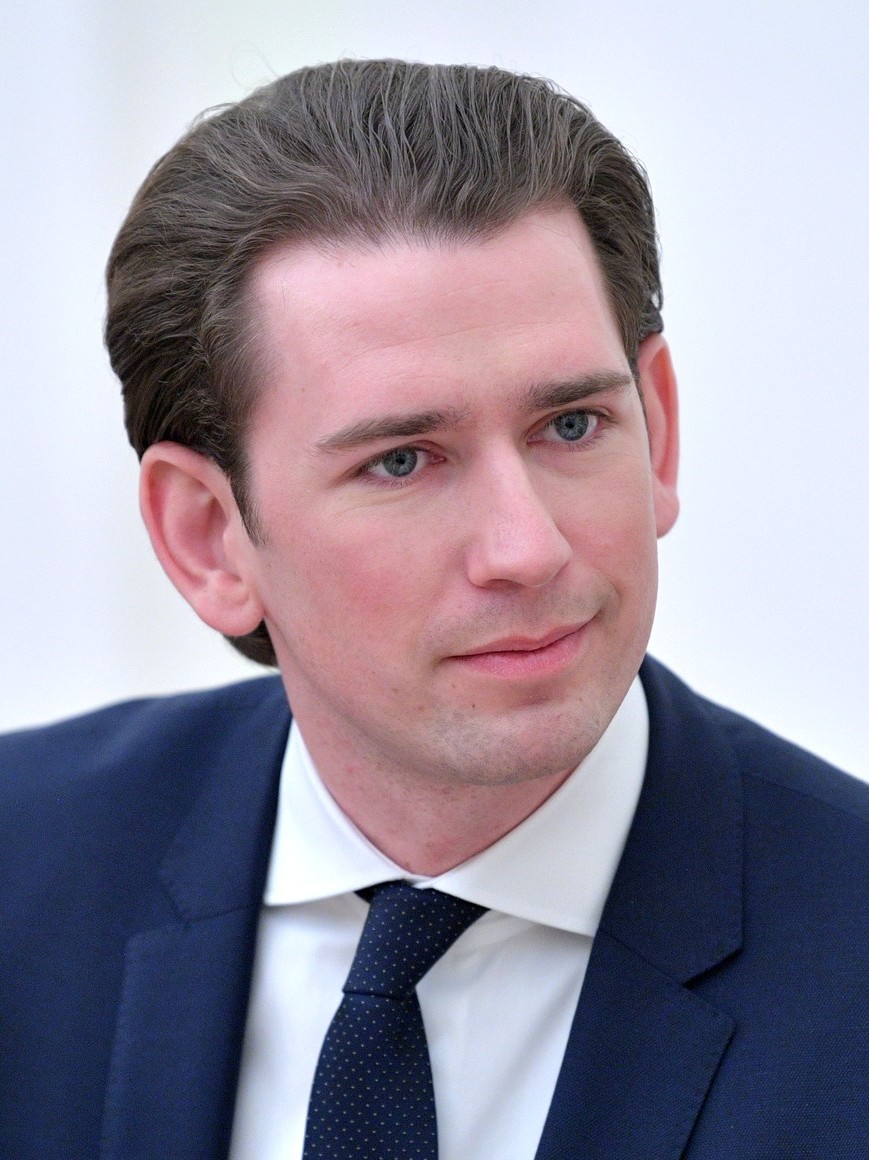
Austria’s former chancellor Sebastian Kurz was convicted of perjury on 23 February 2024 by Vienna’s Regional Criminal Court, which ruled that he had knowingly given false testimony to a 2020 parliamentary commission investigating influence-peddling in the state’s holding company ÖBAG.
Judge Michael Radasztics handed down an eight-month suspended sentence, finding that Kurz had downplayed his role in the appointment of Thomas Schmid as ÖBAG chief executive. Schmid, once one of Kurz’s closest allies, became a cooperating witness whose internal chat messages contradicted the former chancellor’s testimony.
A quiet verdict for a once-untouchable politician
The case received only modest coverage outside German-speaking Europe, even though Kurz was, at 31, one of the youngest heads of government in the world when he first took office in 2017. His People’s Party (ÖVP) dominated Austrian politics for most of the late 2010s on the back of a tightly disciplined personal brand.
By the time the verdict landed in 2024, Kurz had been out of office for more than two years, having resigned in October 2021 after prosecutors first searched the chancellery in a separate corruption investigation. He has since worked in the private sector, including a partnership with US tech investor Peter Thiel.
What the court found
The conviction centred on two statements made under oath to the so-called Ibiza Untersuchungsausschuss, an inquiry triggered by the leaked 2017 Ibiza video that ultimately brought down Kurz’s first coalition.
The court accepted prosecutors’ argument that Kurz had told the inquiry he was only “informed” about Schmid’s ÖBAG candidacy, when in fact he had actively shaped the selection process. Chat logs recovered from Schmid’s phone, including messages such as “you get everything you want”, were read into the record.
Kurz, who has consistently denied wrongdoing, announced he would appeal. Under Austrian law the suspended sentence does not take effect until appeals are exhausted, and the conviction does not automatically bar him from holding future office.
Wider corruption file still open
The perjury case is only one strand of a much larger Inseratenaffäre investigation, in which prosecutors allege that ÖVP-linked figures used public money to buy favourable polling and media coverage in the 2017–2019 period. That investigation, still active in 2024, has so far produced indictments against several mid-level officials but no verdicts against Kurz himself on those charges.
Anti-corruption watchdog Transparency International Austria called the perjury conviction “an important signal” that elected officials can be held accountable for misleading parliament, but warned that Austria still lacks a dedicated whistleblower law of the kind recommended by GRECO, the Council of Europe’s anti-corruption body.