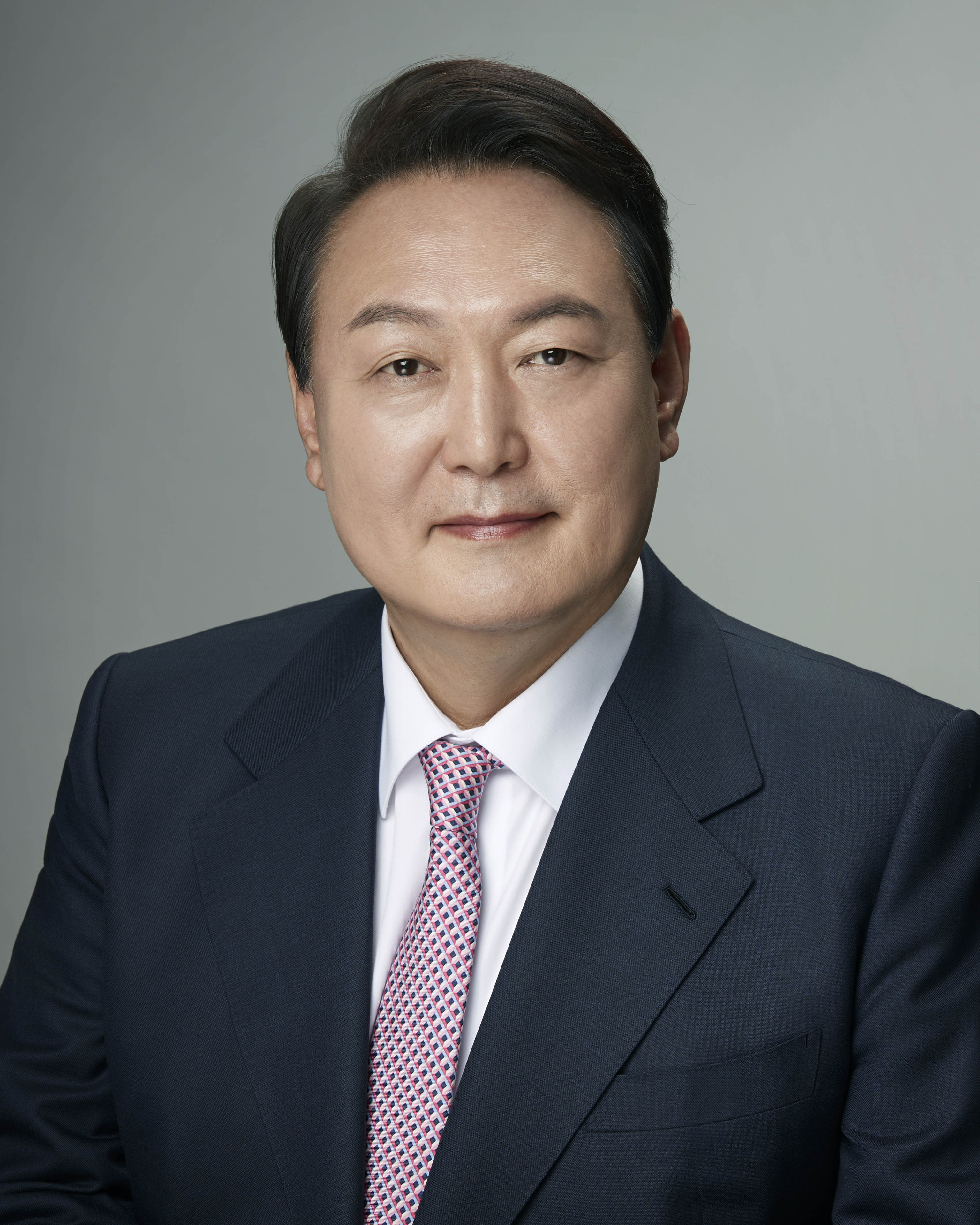
South Korea’s Constitutional Court on 4 April 2025 unanimously upheld the National Assembly’s impeachment of President Yoon Suk-yeol, removing him from office and ordering a presidential election to be held within 60 days. The 8-0 decision was delivered live on national television by acting chief justice Moon Hyung-bae.
Yoon, a former prosecutor general elected in 2022, had been impeached on 14 December 2024 after his attempt to impose martial law on 3 December, the first such declaration in South Korea since the country’s democratisation in 1987. The order was lifted within hours after lawmakers forced their way into the besieged National Assembly and voted to overturn it.
The ruling
The court found that Yoon’s martial-law declaration violated the constitutional separation of powers, exceeded the narrow circumstances permitted by Article 77, and amounted to a “grave betrayal of the people’s trust”. It rejected arguments by Yoon’s defence team that the declaration had been a justified response to opposition obstructionism in budget negotiations.
Justices found that Yoon had ordered military commanders to detain lawmakers and journalists, suspend the National Election Commission, and shutter independent media, actions the court described as “a clear attempt to suppress constitutional organs”.
From prosecutor to defendant
Yoon’s political rise had itself been built on his career as a prosecutor, including his role in the case that brought down former president Park Geun-hye in 2017. With his removal he becomes the second South Korean president to be ousted by the Constitutional Court, and is now subject to a separate criminal indictment on insurrection charges, which carries a maximum sentence of death or life imprisonment.
He had already been placed under arrest in January 2025, the first sitting South Korean president to be physically detained, after weeks of resistance by the Presidential Security Service.
Snap election and the markets
Acting President Han Duck-soo, the prime minister, will continue in office until the special election scheduled for early June 2025. Polls put opposition Democratic Party leader Lee Jae-myung as the clear front-runner, though he himself faces multiple criminal trials that could yet trigger his disqualification.
The KOSPI rallied 1.4% on the day of the ruling and the won strengthened against the dollar, with investors interpreting the orderly removal of a serving president as a vindication of South Korean democratic institutions rather than a moment of instability.