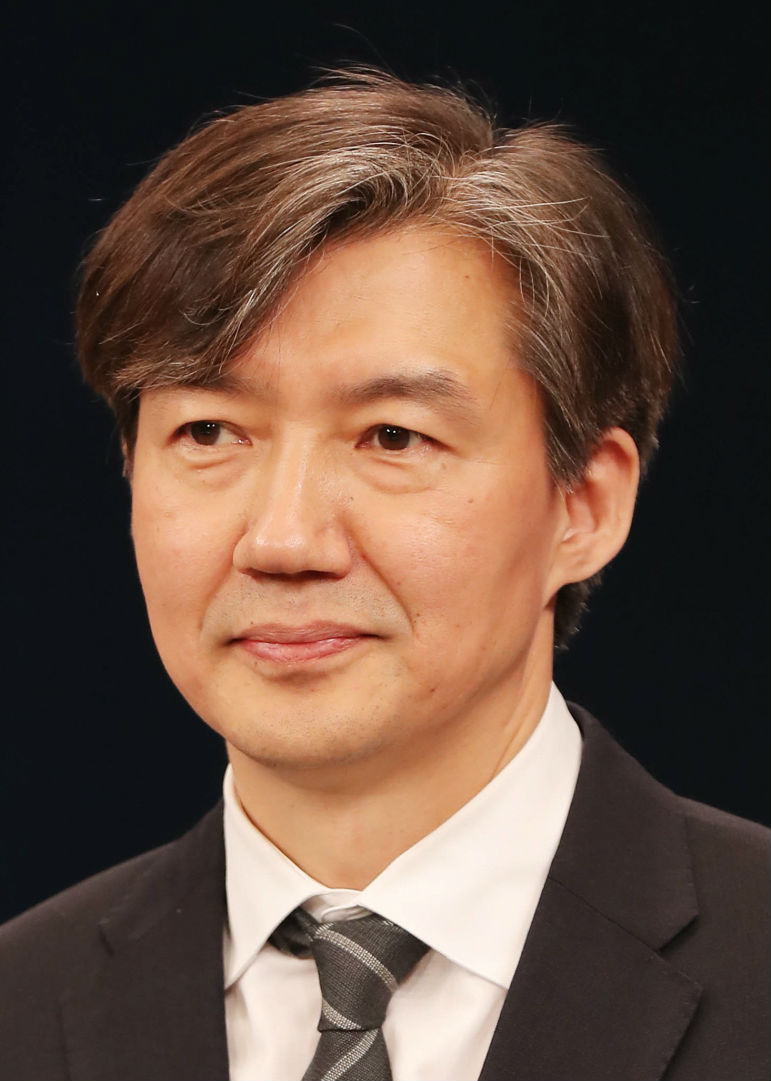
South Korea’s Supreme Court on 12 December 2024 upheld a two-year prison sentence for Cho Kuk, the former justice minister and leader of the Rebuilding Korea Party, finalising one of the longest-running political prosecutions in the country’s recent history.
The three-judge bench affirmed Seoul High Court rulings that Cho and his wife, Chung Kyung-sim, had forged academic awards and internship certificates that were submitted to support their daughter’s applications to two graduate medical schools, and that Cho had improperly intervened to halt a Blue House inspection of an aide.
The end of a five-year case
The case dates back to 2019, when Cho was the public face of judicial reform under President Moon Jae-in. He resigned as justice minister in October 2019, just 35 days into the job, after prosecutors raided his home and indicted his wife on related forgery counts. She was convicted in 2020 and served her sentence.
Cho continued to deny the most serious allegations against him, framing the prosecution as politically motivated retaliation by then-Prosecutor General Yoon Suk-yeol, who went on to win the 2022 presidential election. The Supreme Court’s ruling closes off Cho’s last avenue of appeal.
Political consequences
Under South Korean electoral law, a sentence of one year or more of imprisonment that is finalised bars an individual from holding elected office for ten years after release. Cho, who had been elected to the National Assembly in April 2024 as the head of a new progressive party with 12 seats, immediately lost his mandate.
His party, formed expressly to capitalise on his political brand and on opposition to President Yoon, said it would continue under a new leadership, but analysts said the loss of Cho was a serious blow to its 2027 ambitions.
Wider judicial-reform debate
Cho’s prosecution and conviction had become a symbol in South Korea’s long-running debate over the power of the Prosecutors’ Office (검찰), which critics on the left argue operates as an unaccountable political actor. Supporters of the Cho prosecution counter that the case demonstrated that no political figure is above the law, regardless of ideology.
The Supreme Court ruling drew muted reactions internationally, despite Cho’s previous prominence, but is likely to feature heavily in the 2026 local elections and the 2027 presidential race.