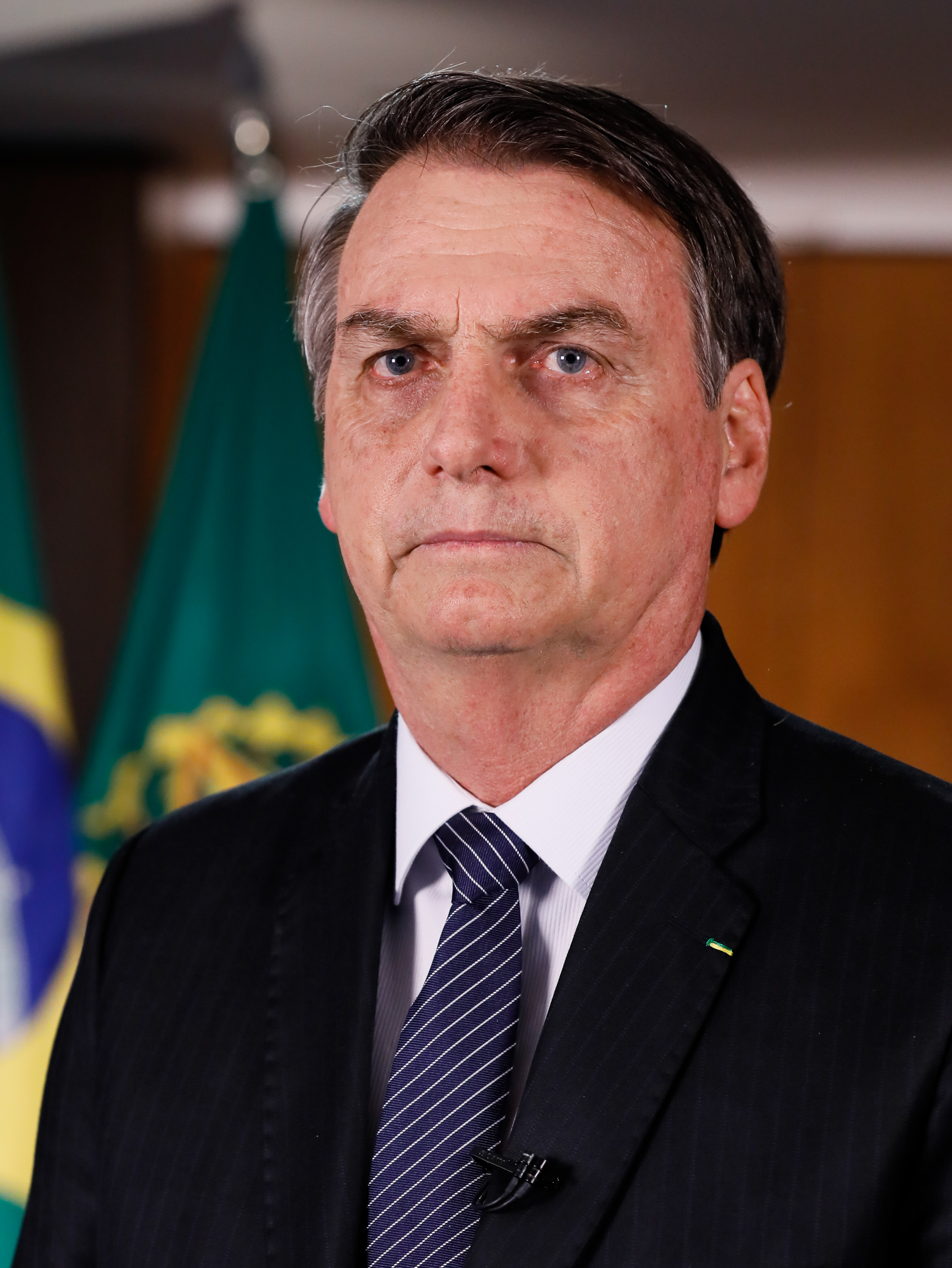
Brazil’s Federal Police on 18 February 2025 formally indicted former president Jair Bolsonaro and 36 associates for an alleged conspiracy to overturn the result of the 2022 presidential election, in a report running to 884 pages that was transmitted to the Supreme Federal Tribunal (STF) and the Attorney General’s office.
The indictment, the most consequential prosecution ever directed at a former Brazilian president, alleges five separate crimes: attempted abolition of the democratic rule of law, attempted coup d’état, criminal association, deterioration of patrimony under federal protection, and aggravated damage.
“Green and Yellow Dagger”
Investigators detailed what they described as “Operação Punhal Verde e Amarelo”, Operation Green and Yellow Dagger, a plan allegedly drafted in late 2022 to prevent the inauguration of Luiz Inácio Lula da Silva. The plan, the police said, included considerations of the assassination of Lula, his vice-president-elect Geraldo Alckmin, and Supreme Court justice Alexandre de Moraes, who has overseen most of the related judicial proceedings.
Among those indicted alongside Bolsonaro are his former defence minister and running-mate Walter Braga Netto, three former military commanders, his former justice minister Anderson Torres, and a serving Federal Police agent assigned to the personal security of the former president.
From January 8 to the indictment
The case grew out of the storming of the National Congress, Supreme Court and Planalto presidential palace by Bolsonaro supporters on 8 January 2023, one week after Lula’s inauguration. Subsequent searches, plea bargains by lower-level participants, and forensic analysis of communications between Bolsonaro and senior military figures gradually broadened the case from a riot prosecution into a coup-attempt prosecution.
Bolsonaro has consistently denied any role in the events of 8 January. He has also been barred since June 2023 from running for office until 2030 by Brazil’s Superior Electoral Court, on separate findings of abuse of political power in the 2022 campaign.
Next steps
Prosecutor-General Paulo Gonet must now decide whether to file formal charges, and the STF must then vote on whether to accept the indictment and put Bolsonaro on trial. Justice Moraes is the case rapporteur.
The pace of any trial will affect Brazilian politics for years: a conviction would all but extinguish Bolsonaro’s residual political influence ahead of the 2026 elections, while a long-delayed proceeding risks deepening the country’s polarisation.