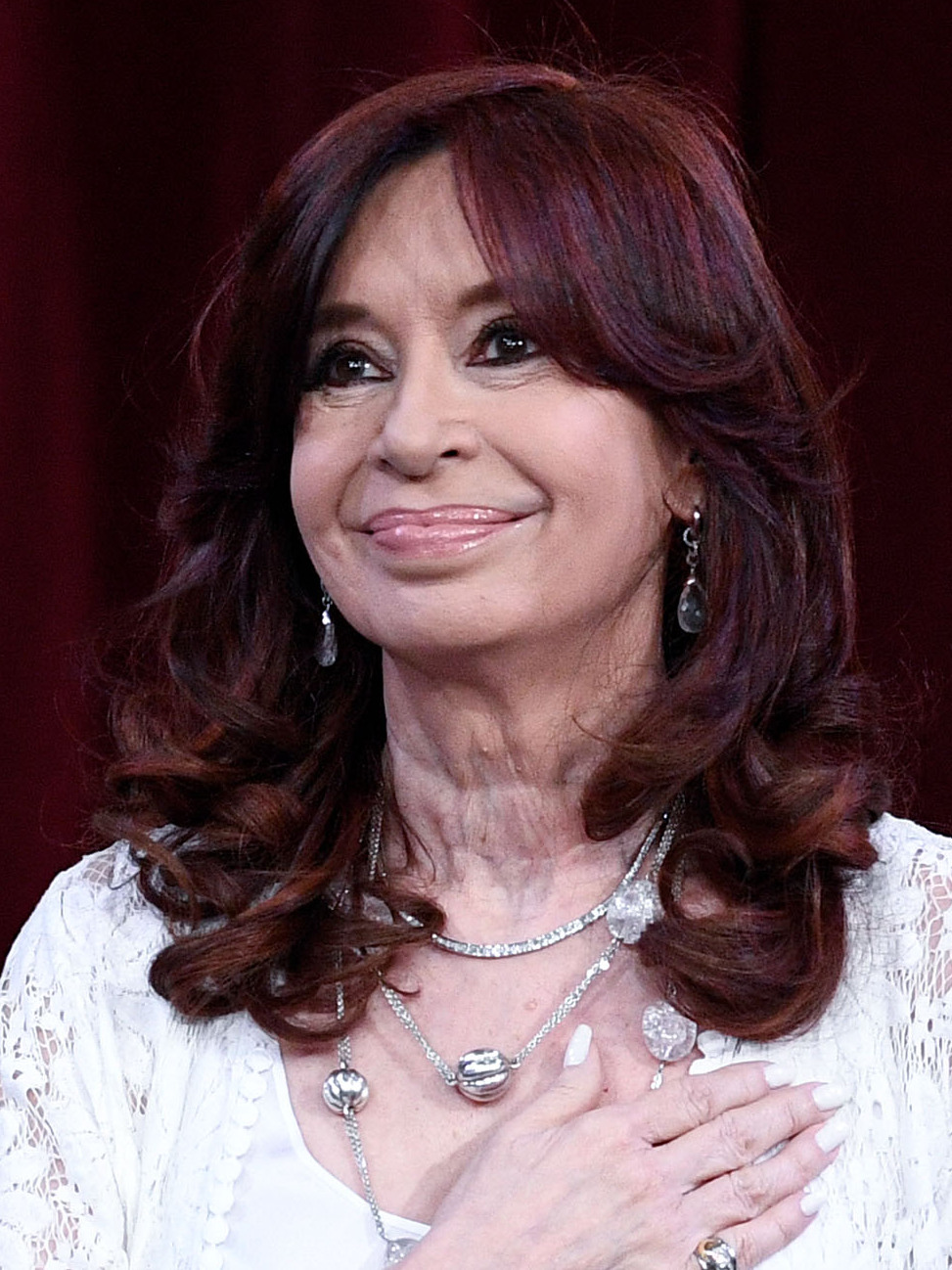
Argentina’s Federal Chamber of Criminal Cassation on 13 November 2024 upheld the six-year prison sentence and lifetime ban from holding public office that had been imposed on former president Cristina Fernández de Kirchner in December 2022 in the so-called Vialidad case.
The three-judge panel, Gustavo Hornos, Mariano Borinsky and Diego Barroetaveña, unanimously confirmed that Fernández de Kirchner had committed fraudulent administration of public works while serving as president (2007–2015) by steering 51 road-construction contracts in Santa Cruz province to companies controlled by businessman Lázaro Báez.
From Patagonian roads to a constitutional question
The Vialidad case concerns infrastructure works in the Patagonian province where Fernández de Kirchner and her late husband Néstor Kirchner built their political careers. Prosecutors alleged that roughly 80% of all Santa Cruz road contracts during the relevant period went to Báez’s Austral Construcciones, often at inflated prices, with works left unfinished or substandard.
The trial court had calculated damages to the Argentine state at more than US$ 1 billion in 2022 dollars. The Cassation chamber largely accepted those findings but reduced the restitution order to allow for adjustment in light of Argentina’s extraordinary inflation.
What happens next
The ruling can still be appealed to the Supreme Court, which under Argentine criminal procedure rarely intervenes in such cases. In the interim, Fernández de Kirchner, who is 71, remains free under the constitutional immunity she enjoys as a former two-term president, but the lifetime ban will take effect once the conviction is finalised, and would prevent her from running again for the presidency or vice-presidency.
She announced in mid-2024 that she would not seek elected office again, but remains the most influential figure on the Argentine Peronist left and a key power-broker within Unión por la Patria.
A polarised reception
Allies of Fernández de Kirchner described the ruling as “lawfare” and pointed to a separate, ongoing investigation into the role of judges Borinsky and Hornos in private meetings with members of the previous Macri administration. President Javier Milei, by contrast, hailed the decision as “the beginning of justice for the looting of the republic”.
For Argentina, the Cassation ruling represents the first time a former president has been judicially found responsible for corruption-related crimes committed in office since the return of democracy in 1983.