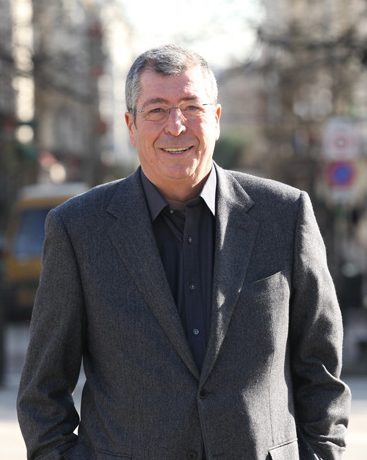
The Paris sentencing court on 12 March 2024 ordered Patrick Balkany, the long-serving former mayor of the wealthy Parisian suburb of Levallois-Perret, to return to prison to complete his five-year sentence for aggravated tax fraud, closing, at least temporarily, one of the most procedurally tortuous corruption sagas in modern French politics.
Balkany, now 75, had been convicted in 2019 of concealing income and assets, including a Riad in Marrakech and a villa in Saint-Martin, from the French tax authorities for more than a decade. He has been released and re-imprisoned multiple times since on medical grounds.
From close Sarkozy ally to a defendant
Once one of the most flamboyant figures in French centre-right politics, Balkany ran Levallois-Perret almost continuously from 1983 until his removal in 2020 following a separate conviction for money laundering. He was a close personal friend and political ally of former president Nicolas Sarkozy.
His and his wife Isabelle’s legal travails became a fixture of French political life: simultaneous trials, multiple appeals, electoral mandates contested from his hospital bed, and a near-suicide attempt by Isabelle Balkany in 2019 that delayed proceedings.
The 2024 order
By March 2024, the judiciary had concluded that Balkany’s health, while genuinely fragile, no longer met the strict threshold required by French law to suspend an active prison sentence. The court appointed independent medical experts who reported he could be treated within the prison healthcare system.
His attorneys announced he would once again seek conditional release on medical grounds. Isabelle Balkany, who shares some of the convictions, remains free under an electronic-bracelet regime.
Why the case still matters
Beyond its tabloid colour, the Balkany affair was a milestone for the Parquet National Financier (PNF), the specialised financial prosecutor’s office created in 2013. The case demonstrated that even long-protected local political dynasties could ultimately be dismantled by determined tax investigators, a precedent that anti-corruption groups argue has shaped subsequent prosecutions of figures including former budget minister Jérôme Cahuzac and ex-minister Olivier Dussopt.