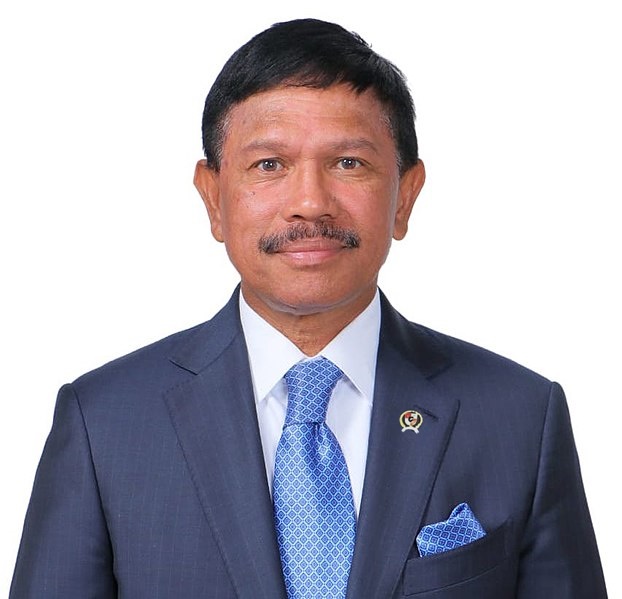
The Jakarta High Court on 2 April 2024 upheld the 15-year prison sentence and Rp 15.5 billion (≈ US$ 980,000) fine imposed on former Communications and Informatics Minister Johnny G. Plate in connection with the BTS (Base Transceiver Station) project, a state programme intended to extend 4G mobile coverage to almost 5,000 remote villages in Papua, Maluku and Nusa Tenggara.
The Anti-Corruption Court had convicted Plate in November 2023 of enriching himself and others by Rp 8.32 trillion (≈ US$ 525 million) in connection with inflated procurement contracts awarded between 2020 and 2022 through BAKTI, the agency responsible for the rural-telecoms programme.
A textbook procurement scandal
Prosecutors said the BTS project, which was funded out of the Universal Service Obligation levy on Indonesian telecoms operators, had been turned into what one judge called “a personal piggy bank” for a small group of officials and contractors. Specific findings included mark-ups of up to 60% on equipment, kickbacks routed through shell consultancies, and false progress reports that allowed payments to be released for towers that had not yet been built.
By 2024, only a fraction of the originally promised 4,200 towers were operational.
From NasDem cabinet pick to Sukamiskin Prison
Plate, a senior figure in the NasDem Party, was Indonesia’s communications minister from October 2019 until his arrest in May 2023. He was the highest-ranking sitting cabinet minister to be arrested by the Corruption Eradication Commission (KPK) in nearly a decade.
His successor as minister, Budi Arie Setiadi, distanced the ministry from the BTS programme and ordered an internal audit of all BAKTI procurement. Several mid-level officials and private contractors have since received their own sentences ranging from four to ten years.
Restoring rural connectivity
Replacement towers under a revised, scaled-down version of the BTS programme began operating in late 2024, but coverage in many of the originally targeted villages remains patchy. The Plate case has been cited in policy debates as a reason to move rural-connectivity funding under direct supervision of the State Audit Board (BPK).