
Sung Kook “Bill” Hwang, the founder of family office Archegos Capital Management, was sentenced on 8 January 2025 in the Southern District of New York to 18 years in federal prison and ordered to forfeit roughly $12.4 million, following his July 2024 conviction on ten counts including securities fraud, wire fraud, market manipulation, and racketeering conspiracy.
The sentence, handed down by US District Judge Alvin Hellerstein, is one of the longest ever imposed for a financial-markets offence in the United States, eclipsing the prison terms given to several of Hwang’s contemporaries in earlier insider-trading and ponzi cases.
From Tiger Asia to a $36 billion crater
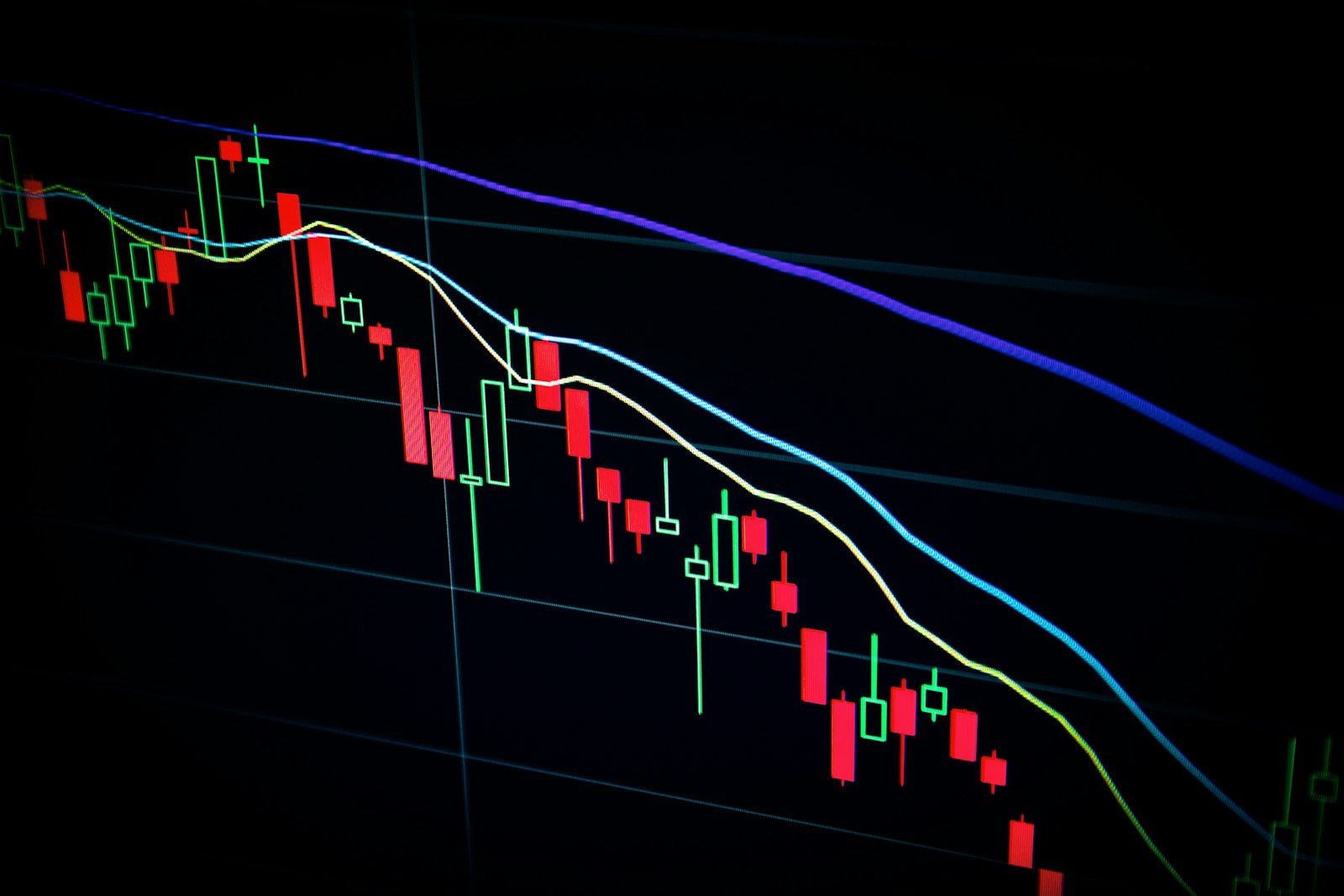
Archegos imploded over a four-day stretch in March 2021 after concentrated, leveraged positions in a small number of US-listed equities, ViacomCBS, Discovery, Tencent Music, Baidu, and others, collapsed, triggering margin calls that no single counterparty had visibility into until it was too late. The unwinding wiped out roughly $36 billion in market value across the affected stocks and led to losses of $5.5 billion at Credit Suisse, $2.9 billion at Nomura, and smaller losses at Morgan Stanley and UBS.
Hwang, a former Julian Robertson protégé who had previously settled an SEC insider-trading case in 2012, had operated Archegos as a family office, which allowed him to remain below the disclosure thresholds applicable to hedge funds while building total-return-swap positions that gave him synthetic exposure exceeding 50% of the float on several names.
What the jury found
The jury accepted prosecutors’ argument that Hwang and his chief financial officer Patrick Halligan ran a coordinated campaign of lies to Archegos’s prime brokers, Credit Suisse, Nomura, Morgan Stanley, Goldman Sachs and UBS, about the size, concentration and overlapping nature of his positions, in order to obtain trading lines that he then used to drive the prices of the very stocks he was buying.
Halligan was convicted in the same trial and received a separate eight-year sentence weeks later.
Implications for family-office disclosure
The Archegos failure became the proximate cause of the Securities and Exchange Commission’s 2023 amendment to Form PF, which now requires certain large family offices to report their largest swap positions to regulators. Whether those reforms would have prevented the Archegos collapse remains contested.
Credit Suisse’s losses on Archegos are widely viewed as a contributing factor in the bank’s 2023 emergency rescue by UBS. Subsequent civil suits by Credit Suisse’s successor against Hwang and his counsel are pending.